Closing the Return Loop

Redesigning the fashion journey to build shopper confidence and eliminate mismatched expectations.

UI Design

/

UX Design

Closing the Return Loop

Redesigning the fashion journey to build shopper confidence and eliminate mismatched expectations.

UI Design

/

UX Design

Closing the Return Loop

Redesigning the fashion journey to build shopper confidence and eliminate mismatched expectations.

UI Design

/

UX Design

About the project

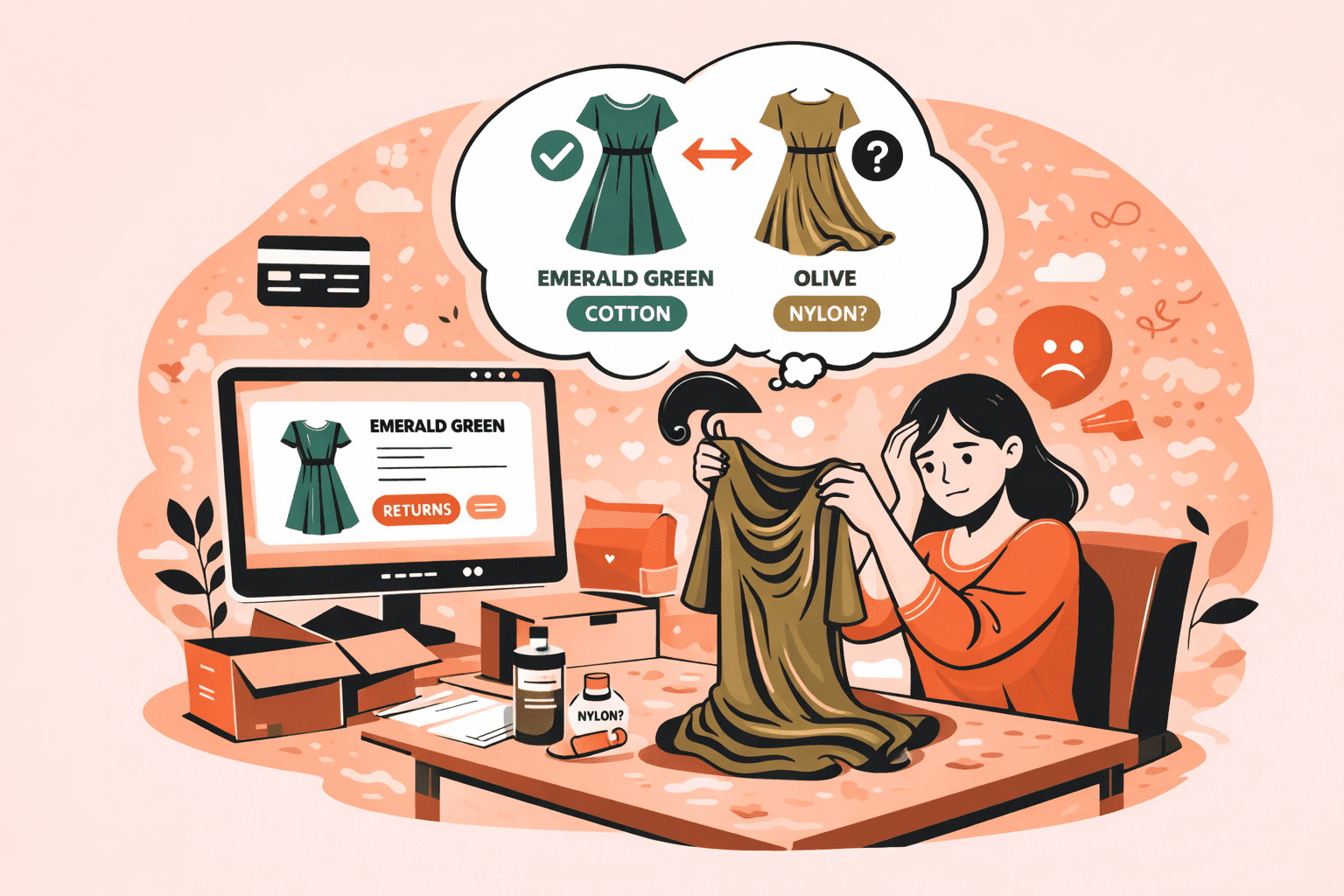
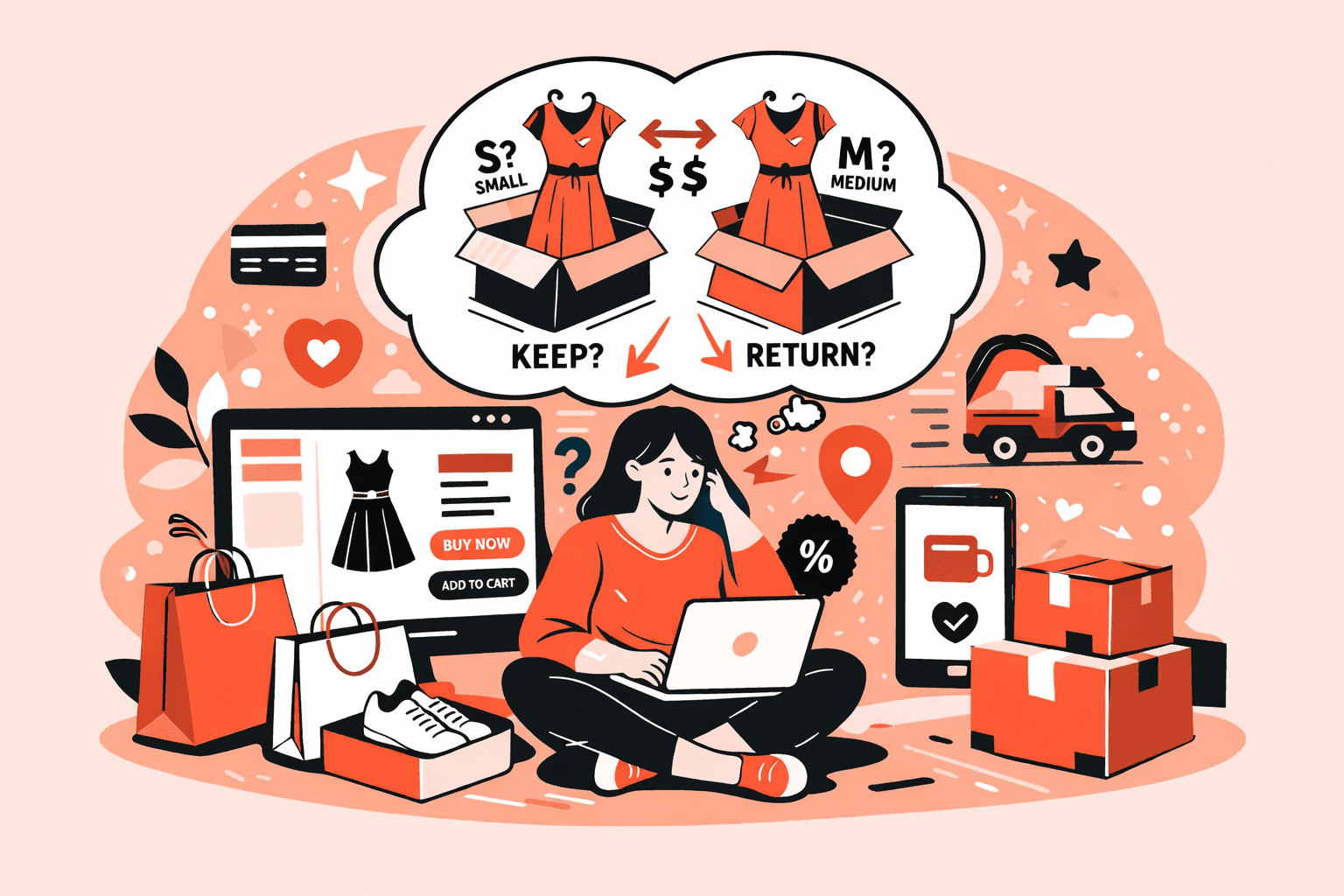
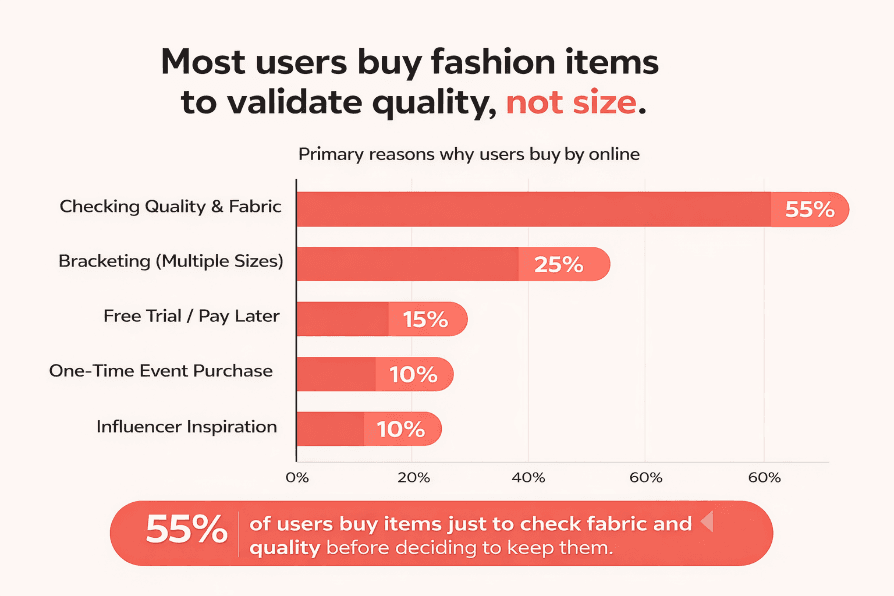
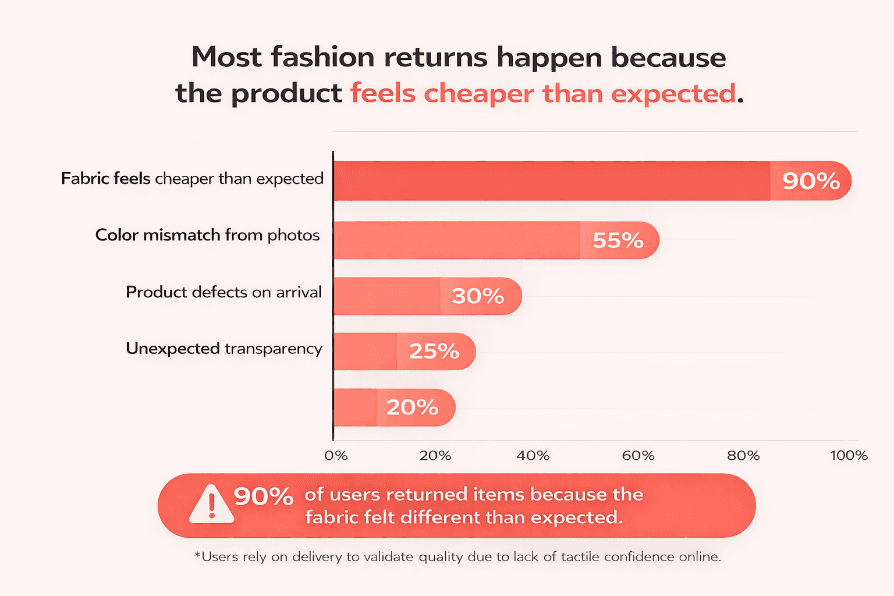
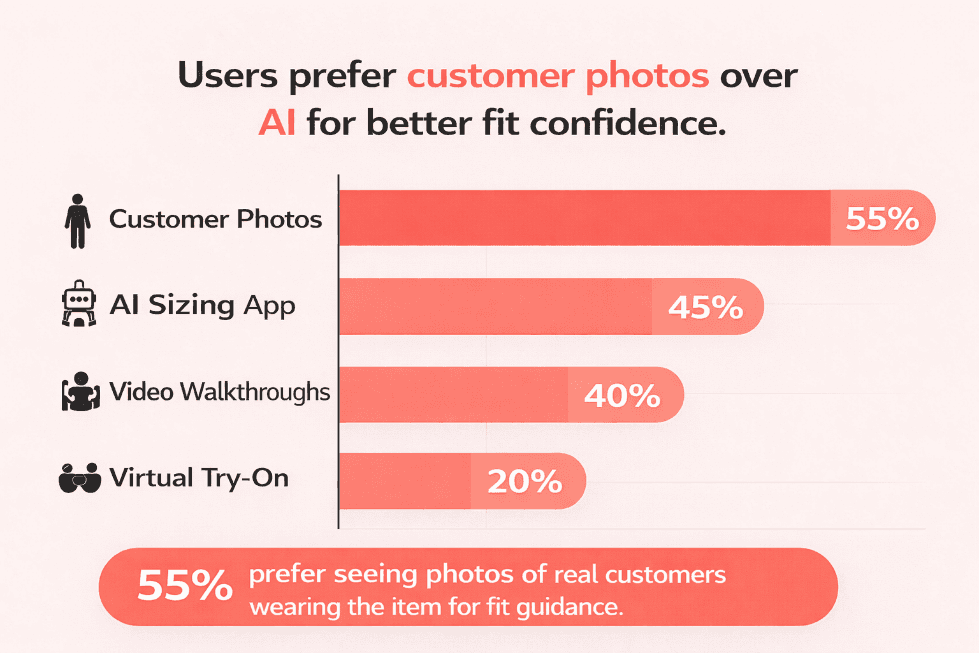
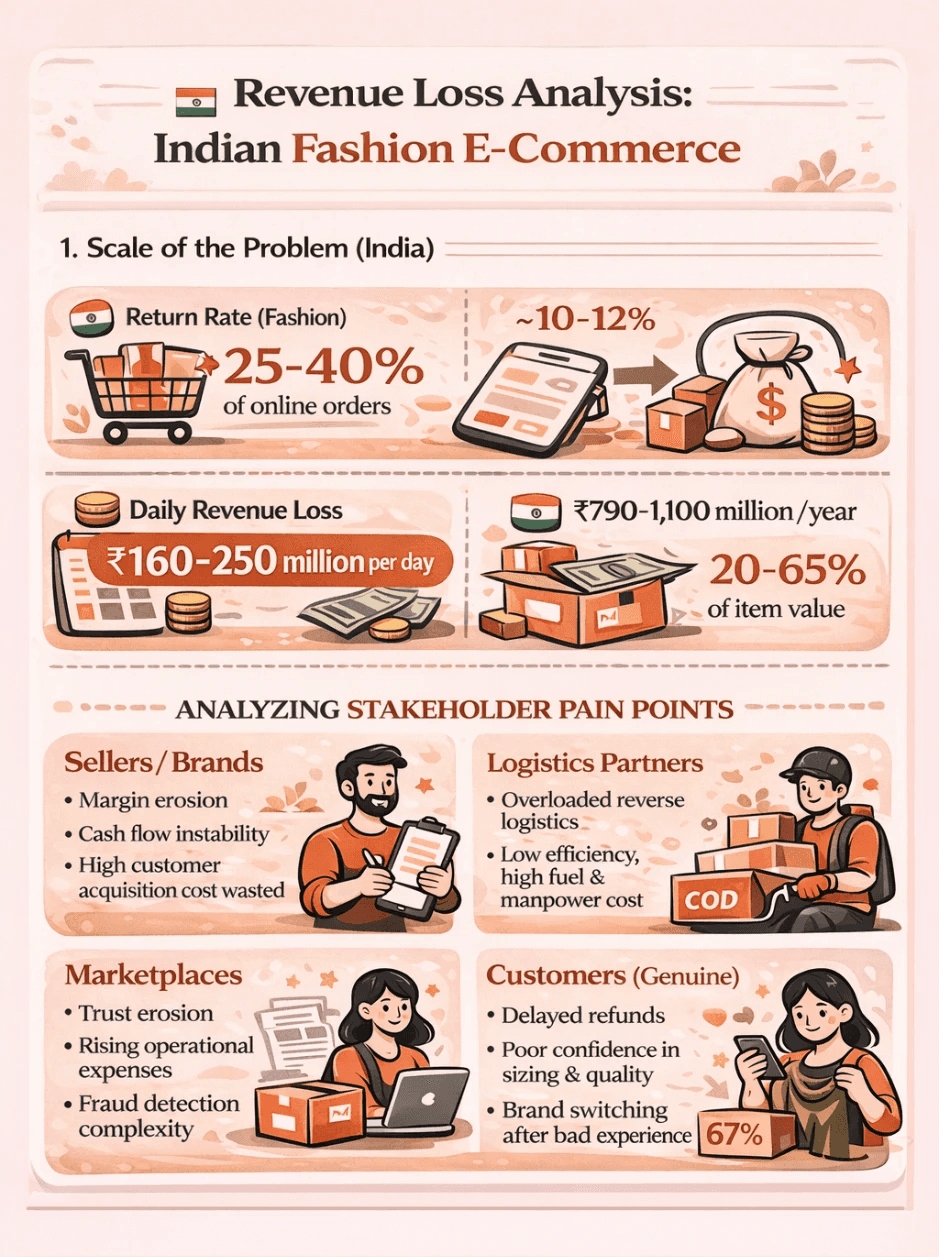
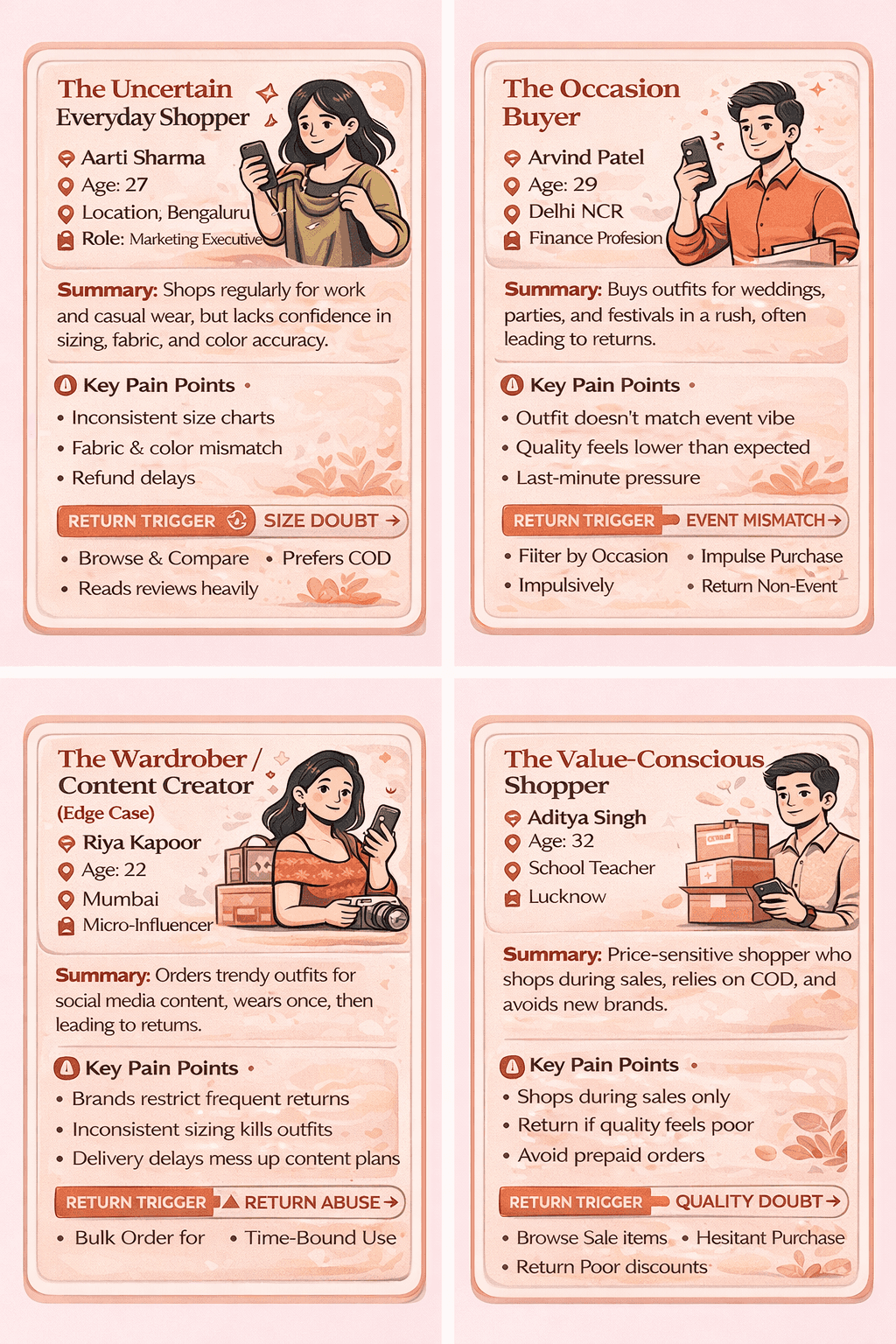
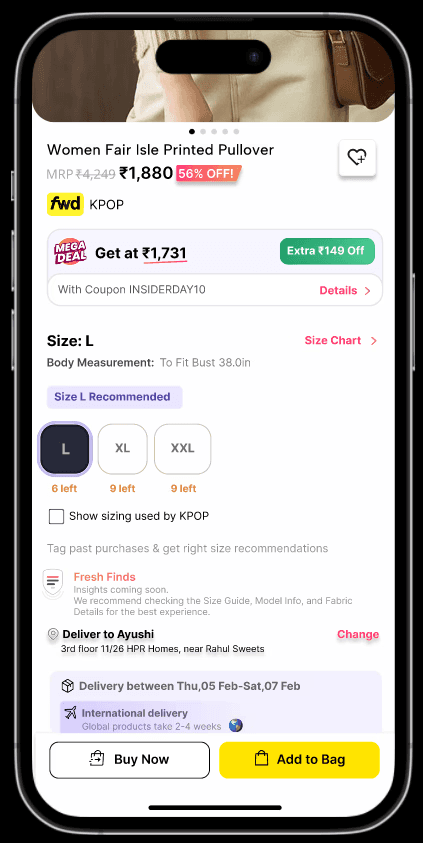
Initial analysis reveals that fashion returns are not driven by fit and size alone - fabric feel, quality, and real-world expectations play an equally important role. It is also observed that shoppers place greater trust in feedback from other buyers compared to purely AI-led suggestions. Based on these insights, the solutions are designed using Myntra as the base platform, focusing on strengthening human-led signals and improving product understanding before purchase. The following solutions aim to equip shoppers with clearer, more reliable information to make confident decisions and reduce mismatch-driven returns.
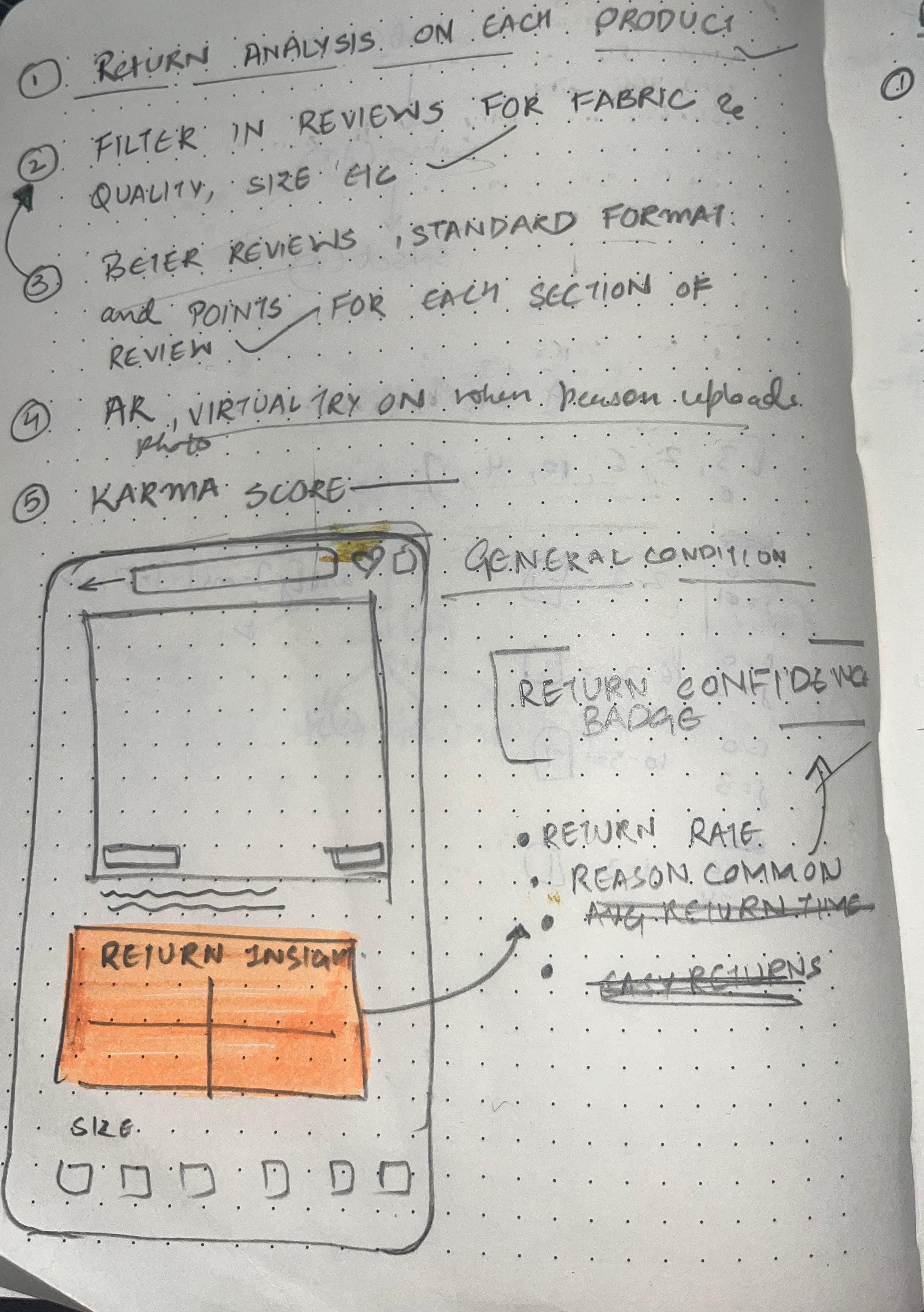
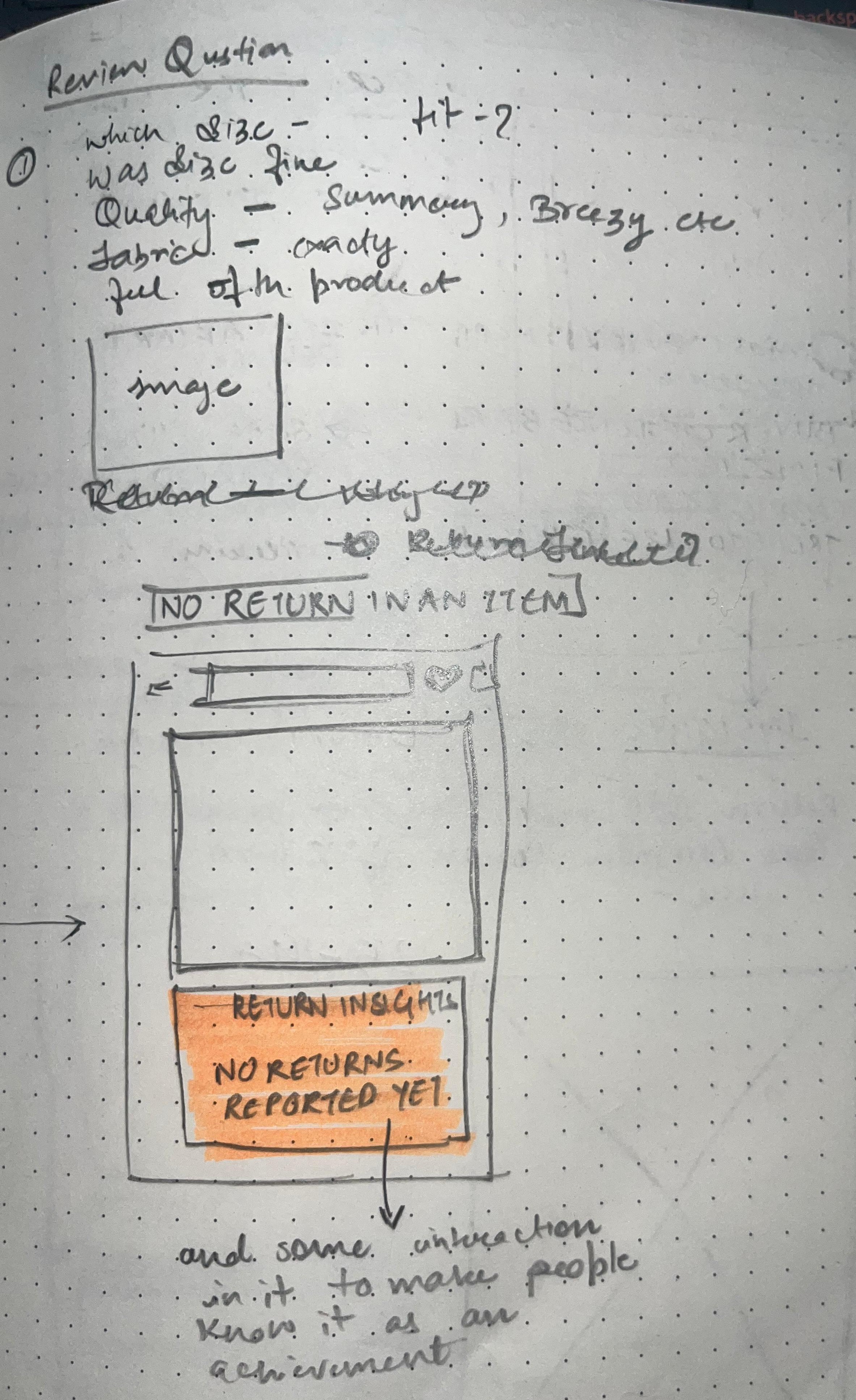
Return Insights transforms collective shopper behavior into confidence cues

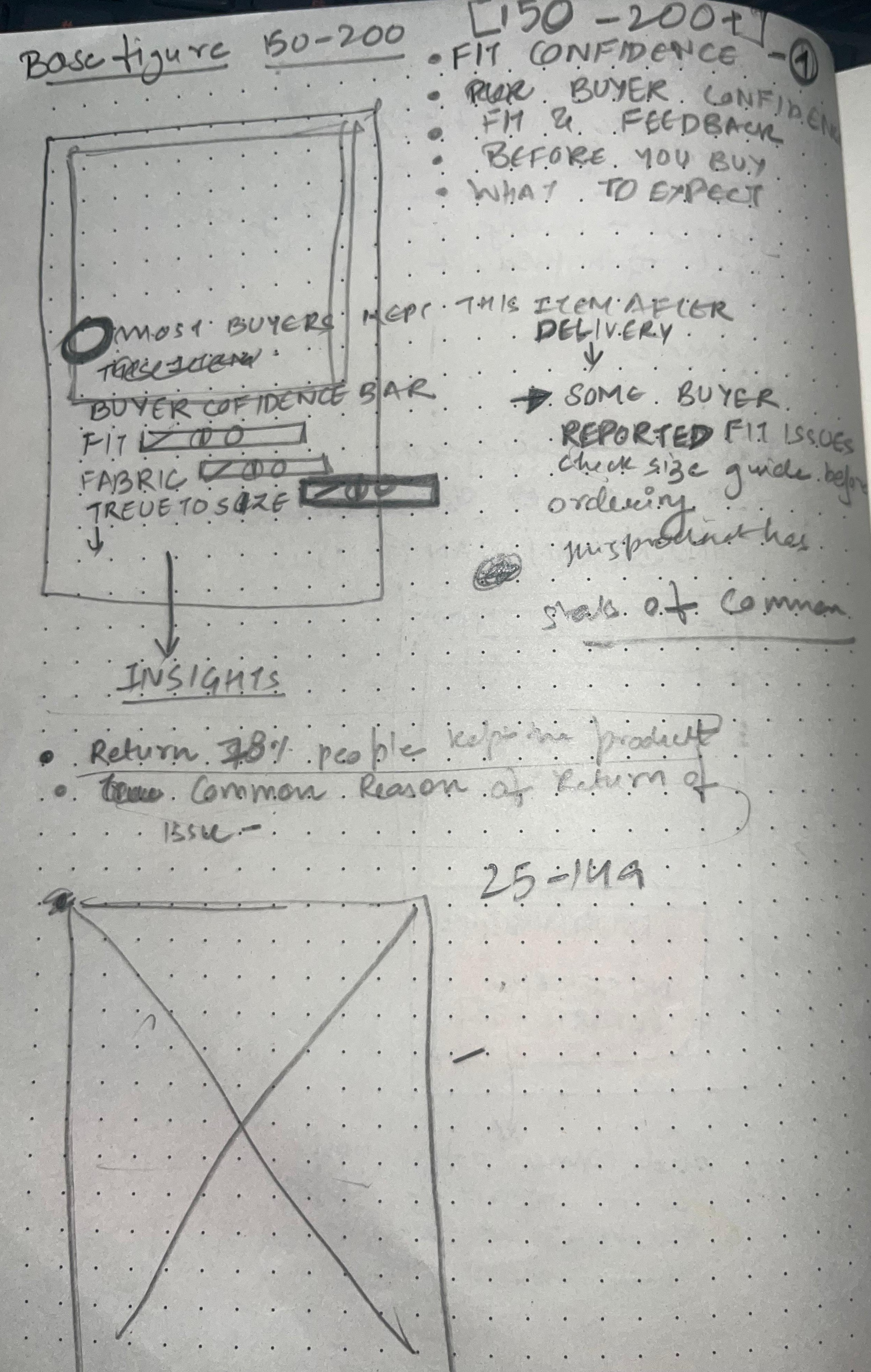
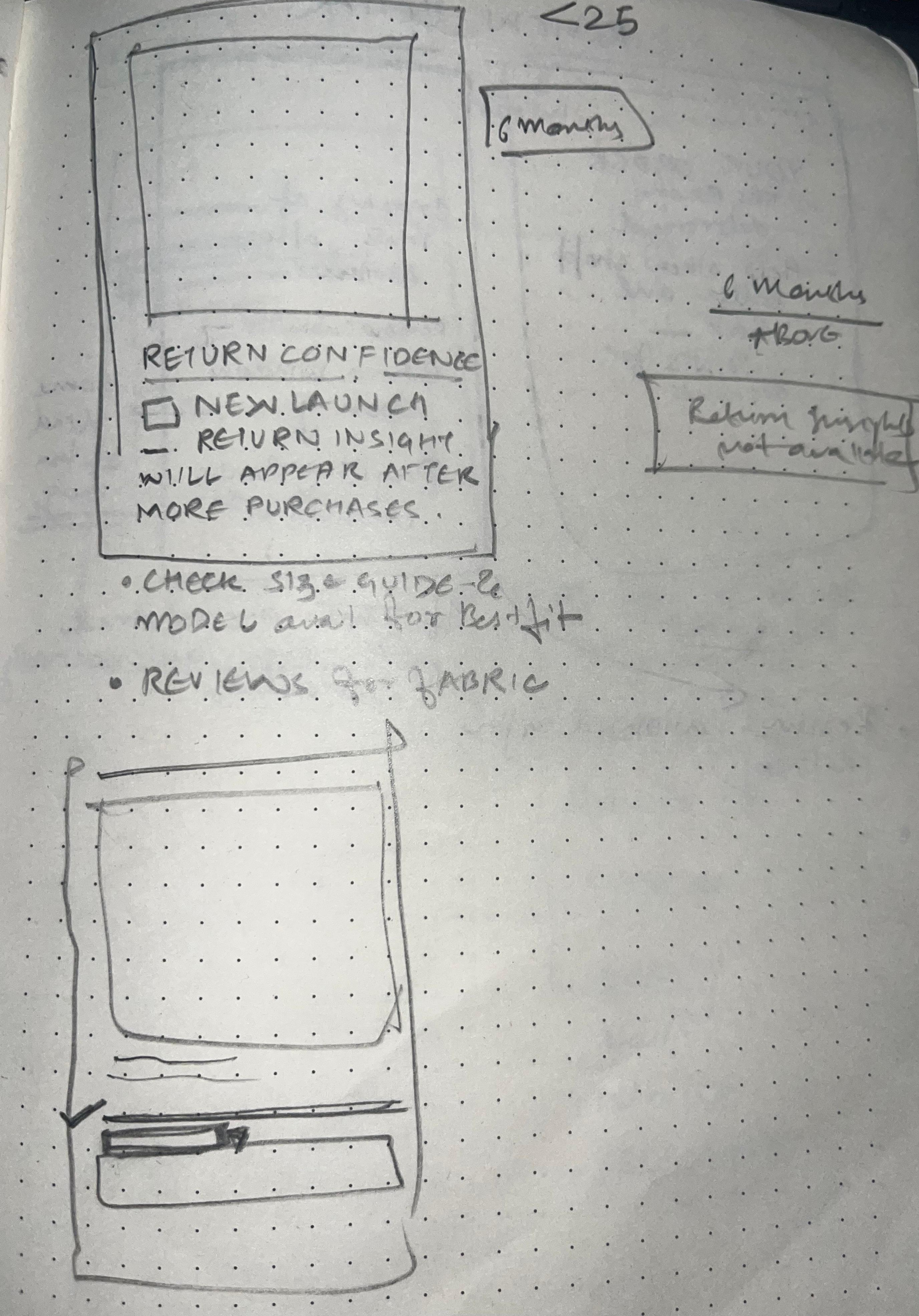
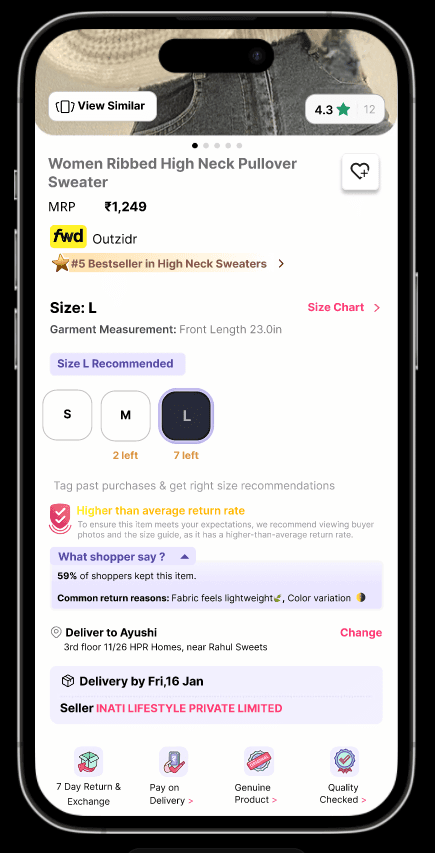
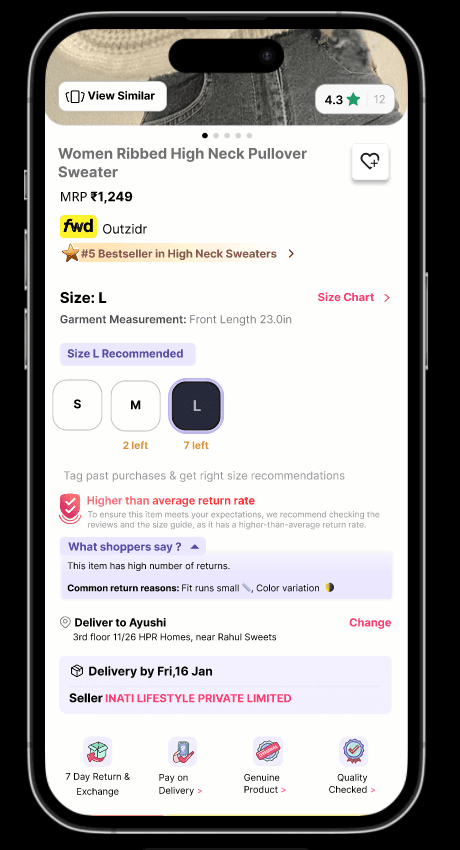
Research showed that shoppers trust peer experiences and real purchase outcomes more than algorithmic recommendations. To reflect this and avoid misleading signals, Return Insights are shown only after a minimum purchase threshold is reached (e.g., 150 purchases), ensuring the data is reliable and meaningful.

Products are then grouped into four confidence states from new items with insufficient data to low-return products translating return behavior into simple, actionable cues. Rather than exposing raw numbers, this approach helps shoppers know what to double-check before buying, shifting returns from a post-purchase issue to a pre-purchase confidence signal.
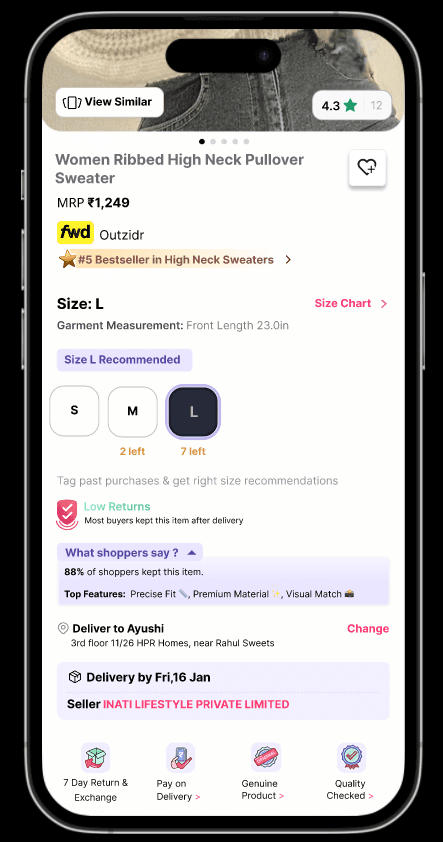
Helping Shoppers Decode Reviews Before They Buy

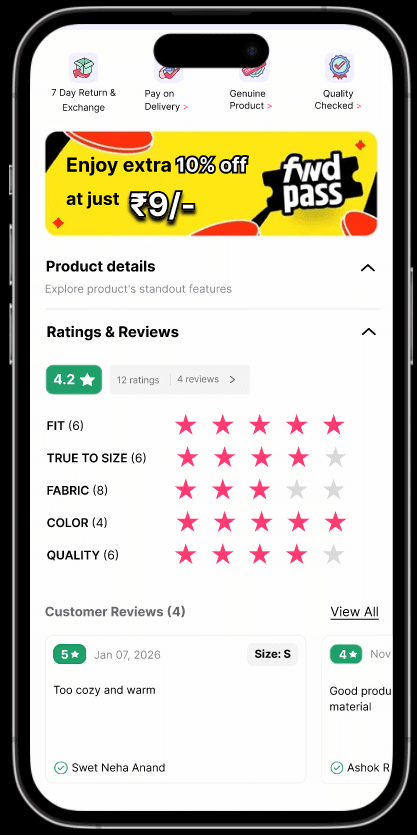
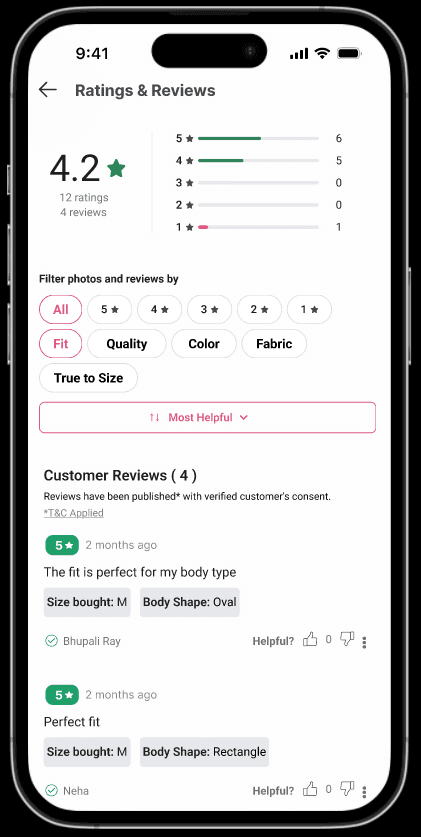
Fashion returns are often driven by specific issues such as fit mismatch, fabric expectations, or color accuracy. However, existing reviews are highly personal and difficult to scan. To reduce cognitive load and improve decision-making, reviews are restructured around the top return-driving attributes: Fit, True to Size, Fabric, Color, and Quality.

Detailed Reviews as a Lever to Reduce Returns

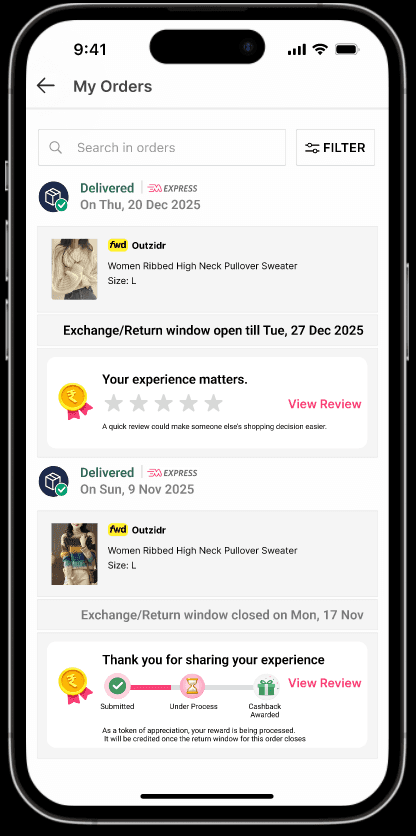
Analysis reveals a clear inverse relationship between review quality and return rates products with more detailed, structured reviews experience fewer returns due to better expectation setting. To address this, a detailed review sheet is introduced, guiding buyers to share feedback across key return-driving attributes such as fit, fabric, size accuracy, color, and quality.

A 5% product-value reward incentivises complete reviews across ratings, text, photos, and videos. A clear progress tracker ensures rewards are visible, transparent, and motivating.
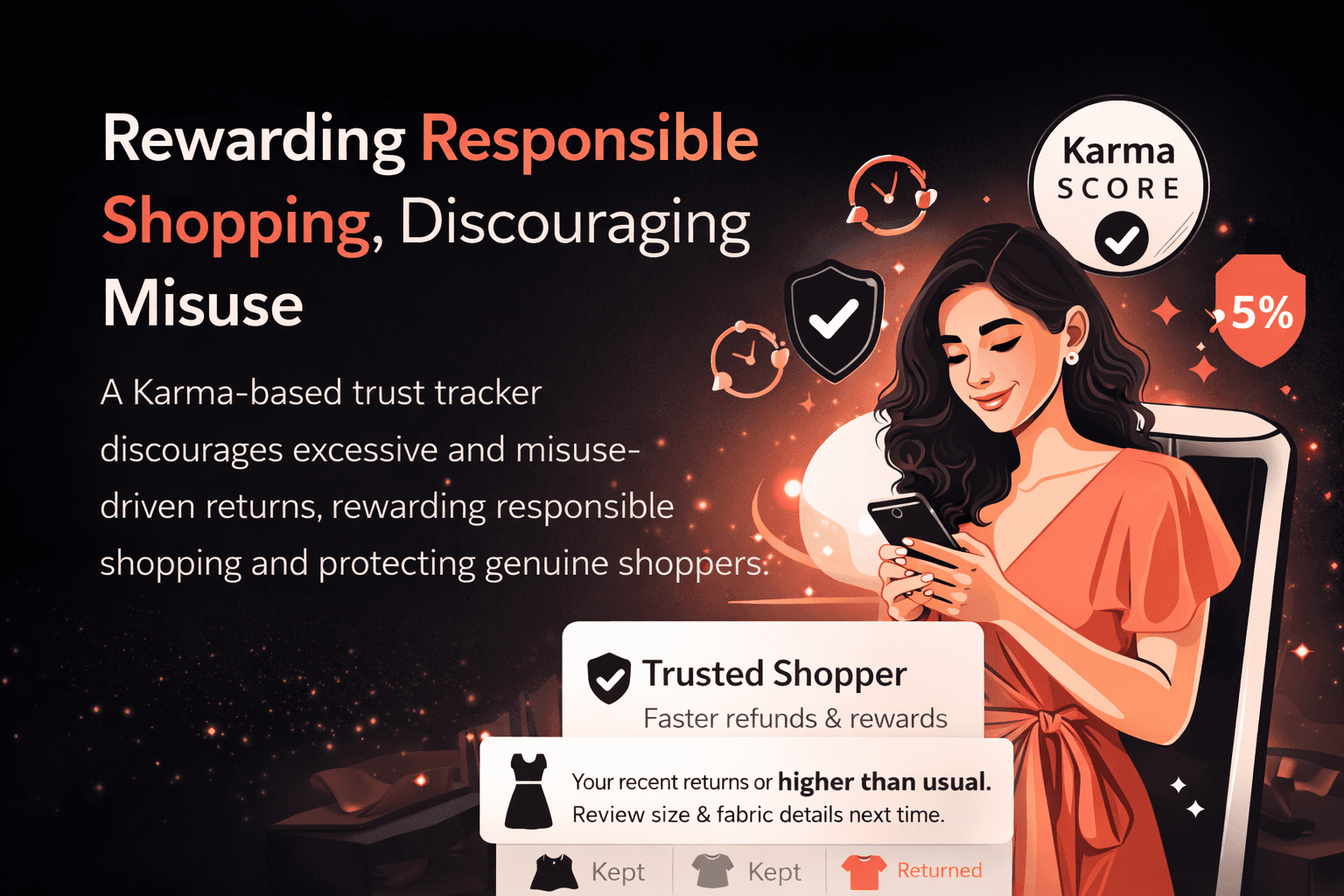

Rewarding Responsible Shopping, Discouraging Misuse

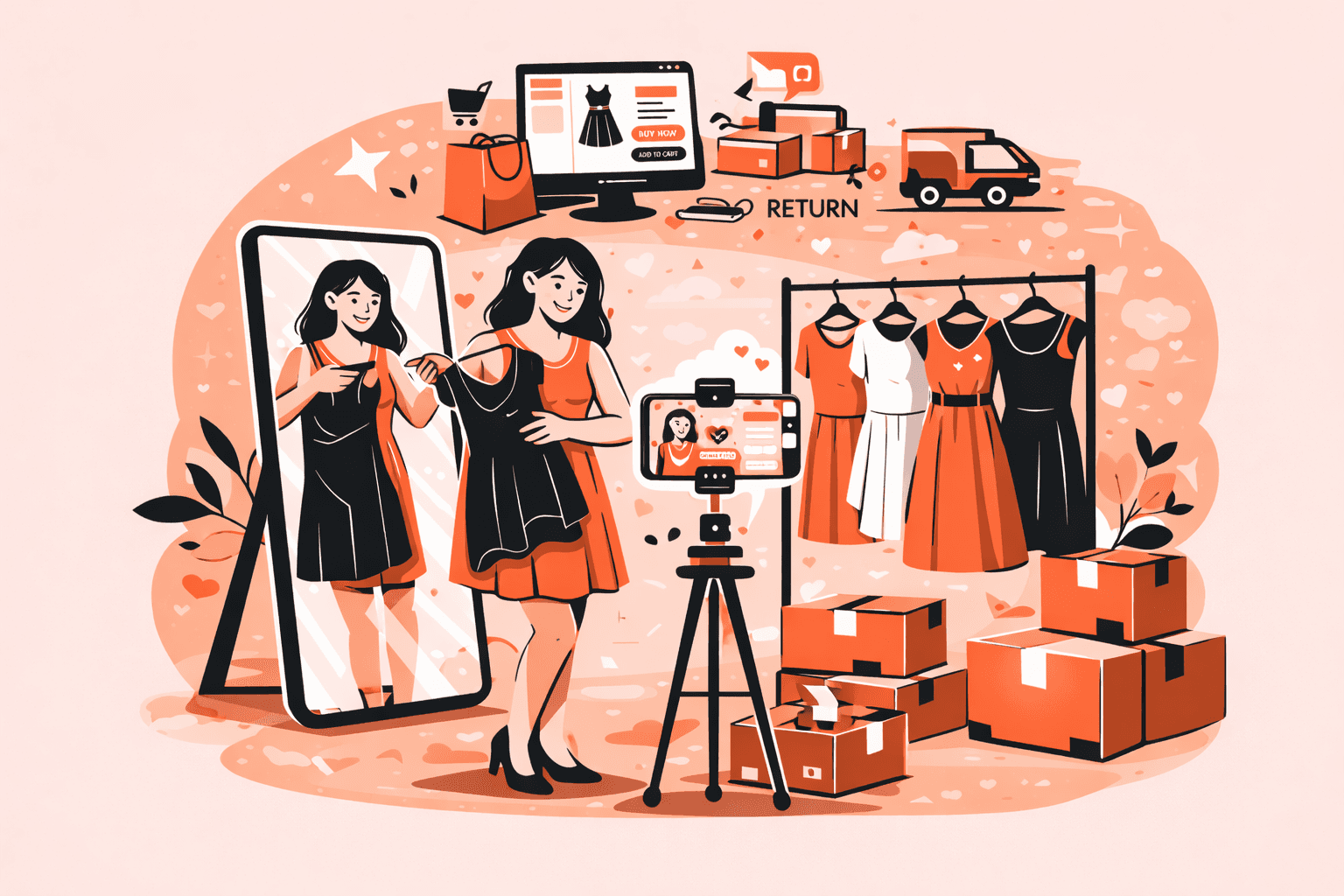
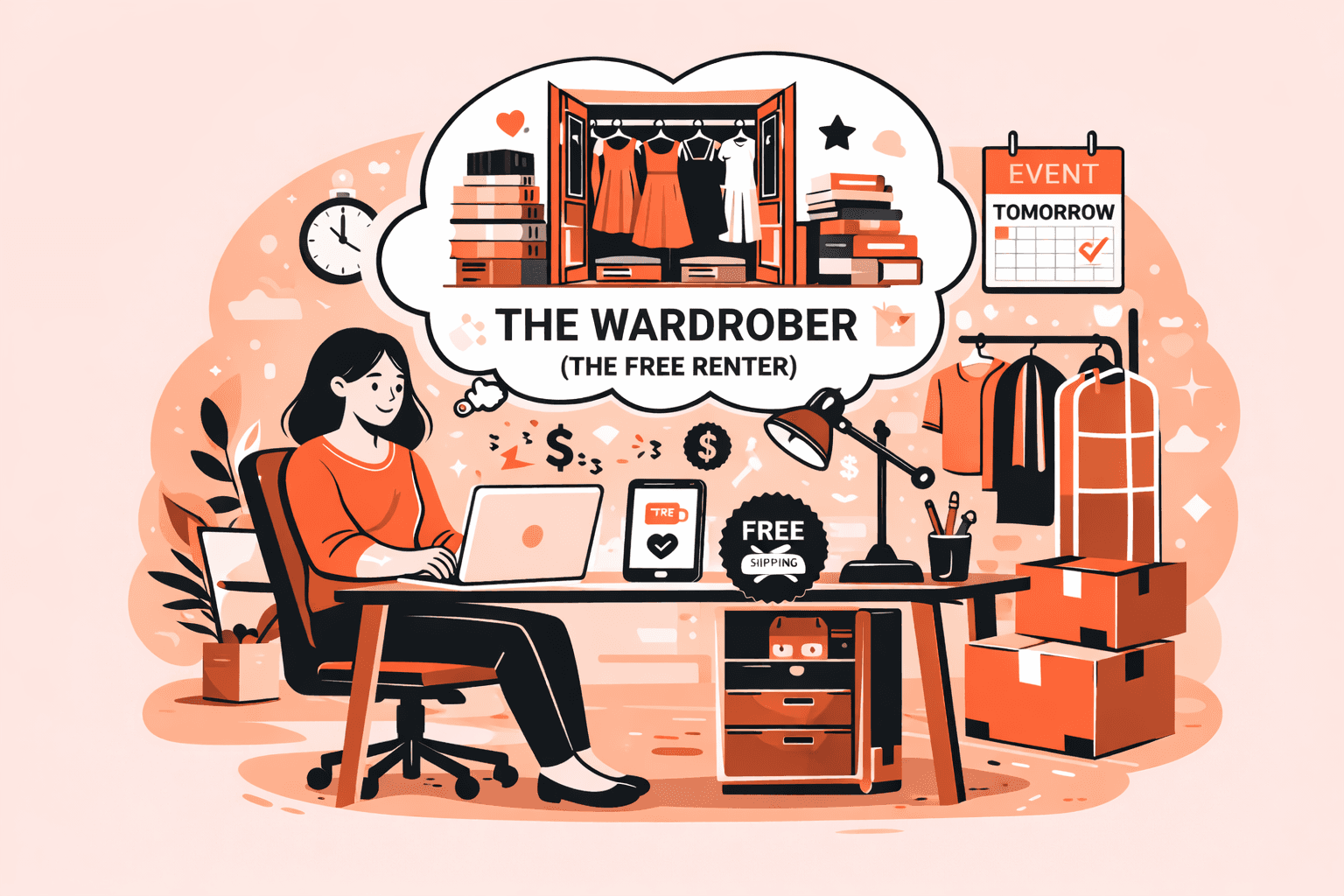
A Karma-based trust tracker, inspired by Zomato’s model, is introduced to discourage excessive and misuse-driven returns. By rewarding responsible shopping behavior and quietly flagging repeated misuse patterns, the system reduces wardrobing while preserving a fair experience for genuine shoppers.

Rewarding Responsible Shopping, Discouraging Misuse

A Karma-based trust tracker, inspired by Zomato’s model, is introduced to discourage excessive and misuse-driven returns. By rewarding responsible shopping behavior and quietly flagging repeated misuse patterns, the system reduces wardrobing while preserving a fair experience for genuine shoppers.

Rewarding Responsible Shopping, Discouraging Misuse

A Karma-based trust tracker, inspired by Zomato’s model, is introduced to discourage excessive and misuse-driven returns. By rewarding responsible shopping behavior and quietly flagging repeated misuse patterns, the system reduces wardrobing while preserving a fair experience for genuine shoppers.

Rewarding Responsible Shopping, Discouraging Misuse

A Karma-based trust tracker, inspired by Zomato’s model, is introduced to discourage excessive and misuse-driven returns. By rewarding responsible shopping behavior and quietly flagging repeated misuse patterns, the system reduces wardrobing while preserving a fair experience for genuine shoppers.

By surfacing authentic return insights and giving shoppers early visibility into common return scenarios, the design helps set realistic expectations before purchase. Structured reviews, clearer fit and fabric indicators, contextual body insights, and responsible reward mechanisms work together to address the core causes of mismatch-driven returns. In parallel, trust-based signals quietly discourage misuse without affecting genuine shoppers. Collectively, these interventions are expected to drive a meaningful, low double-digit reduction in returns over time demonstrating how thoughtful, user-centered design can create measurable business impact.

Measuring Impact Through Thoughtful Design

By surfacing authentic return insights and giving shoppers early visibility into common return scenarios, the design helps set realistic expectations before purchase. Structured reviews, clearer fit and fabric indicators, contextual body insights, and responsible reward mechanisms work together to address the core causes of mismatch-driven returns. In parallel, trust-based signals quietly discourage misuse without affecting genuine shoppers. Collectively, these interventions are expected to drive a meaningful, low double-digit reduction in returns over time demonstrating how thoughtful, user-centered design can create measurable business impact.

Measuring Impact Through Thoughtful Design

More Projects

Let’s Create Together

Whether you’re launching something new or refining what already exists, great design starts with a conversation. Let’s collaborate and create work that truly connects.

Default image

Let’s Create Together

Whether you’re launching something new or refining what already exists, great design starts with a conversation. Let’s collaborate and create work that truly connects.

Default image

Create a free website with Framer, the website builder loved by startups, designers and agencies.